Workforce management has changed significantly over the last decade. Traditional punch cards, paper registers, and spreadsheet-based attendance tracking no longer meet the needs of modern businesses. Today, organisations require speed, accuracy, compliance, and real-time visibility into employee operations. This is where intelligent Time Attendance systems are making a measurable difference.
Modern Time Attendance solutions have moved beyond simple clock-in and clock-out records. They now function as integrated workforce management platforms that help businesses control payroll accuracy, reduce administrative pressure, improve employee accountability, and support smarter decision-making.
For growing businesses in Dubai and across the UAE, adopting intelligent attendance systems is no longer just an operational upgrade. It is becoming a strategic business decision.
The Shift from Manual Attendance to Intelligent Workforce Management
Many businesses still rely on outdated methods such as manual registers, card punching systems, or disconnected spreadsheets. These processes often create avoidable problems, including:
- Inaccurate attendance records
- Buddy punching and time theft
- Payroll disputes
- Delayed salary processing
- Difficulty managing multiple shifts
- Limited visibility for managers
An intelligent Time Attendance system replaces these inefficiencies with automated tracking, biometric verification, cloud reporting, and seamless payroll integration.
Instead of spending hours checking attendance data manually, HR teams gain access to accurate, real-time records that can be used immediately.
Why Accuracy Matters More Than Ever
Payroll mistakes can damage employee trust quickly. Even minor errors in overtime, leave deductions, or late arrivals often create dissatisfaction and unnecessary HR workload.
Modern Time Attendance systems help solve this by automatically applying attendance rules, shift timings, overtime calculations, and leave balances. This reduces manual intervention and improves payroll precision.
For businesses with large teams or multiple branches, that level of accuracy can save considerable time every month.
Preventing Buddy Punching and Payroll Leakage
One of the most common issues with traditional attendance systems is buddy punching, where one employee clocks in for another.
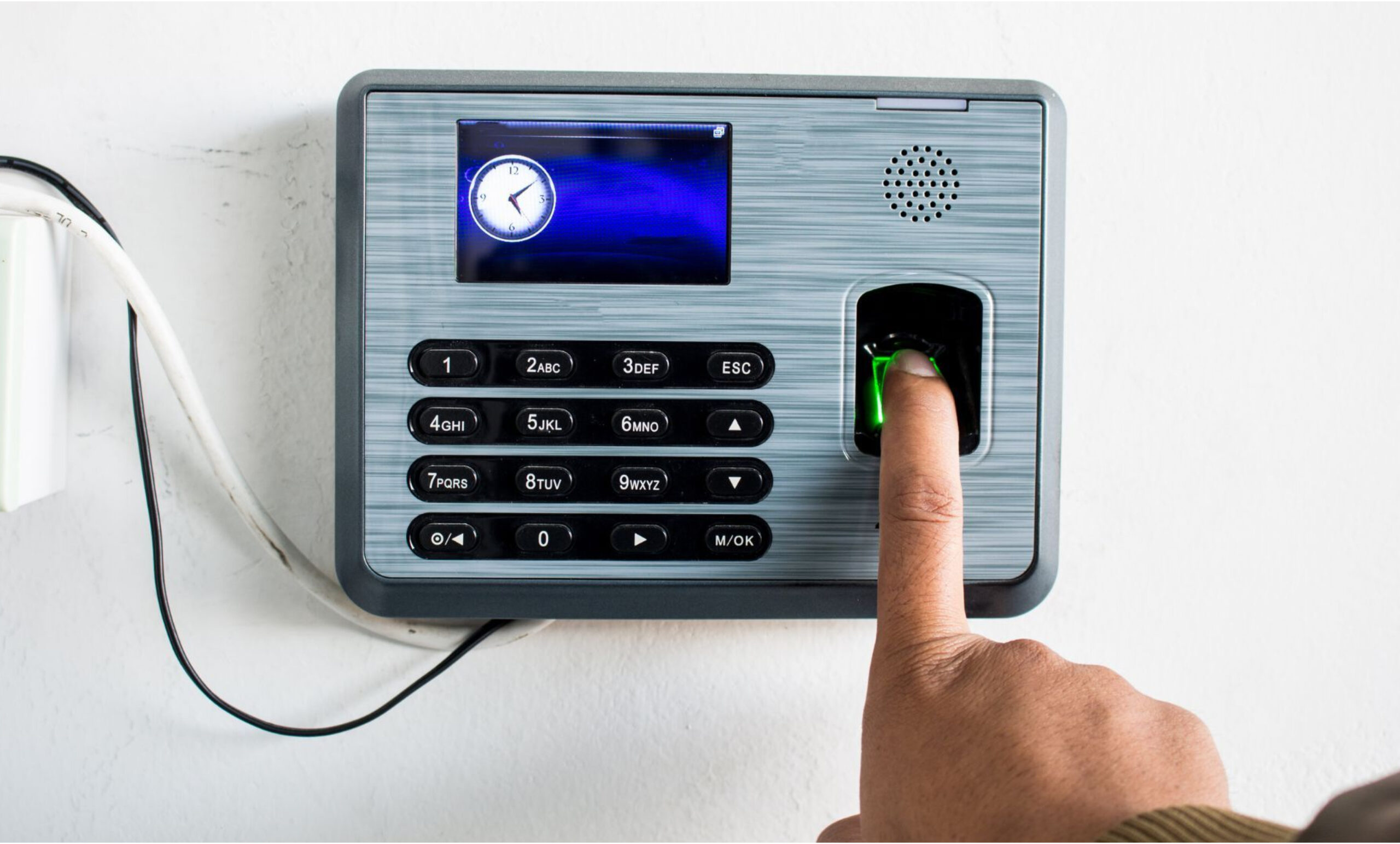
This may seem small on a daily basis, but over months it can create serious payroll leakage. Intelligent systems solve this using biometric verification such as:
- Fingerprint recognition
- Facial recognition
- Iris authentication
- Mobile geo-verified check-ins
By linking attendance directly to verified identity, businesses gain cleaner records and stronger accountability.
For sectors such as construction, logistics, retail, and hospitality, this can have a direct impact on labour cost control.
Supporting Flexible and Remote Workforces
The workforce has become more mobile. Many companies now manage field staff, hybrid teams, temporary workers, and employees spread across multiple locations.
This is where cloud-based Time Attendance systems offer a major advantage.
With GPS verification, geofencing, and mobile attendance apps, businesses can confirm that employees checked in from approved locations without requiring physical supervision.
Examples include:
- Sales teams visiting clients
- Service technicians in the field
- Site engineers at project locations
- Remote and hybrid employees
- Multi-branch retail staff
Managers gain visibility without adding unnecessary administrative steps.
Real-Time Data Helps Make Better Decisions
Attendance data should not sit unused in monthly spreadsheets. Modern systems convert raw attendance information into practical business intelligence.
Real-time dashboards help management track:
- Who is present or absent today
- Overtime trends
- Late arrivals and punctuality patterns
- Shift coverage gaps
- Department productivity patterns
- Labour cost movements
This allows faster operational decisions, especially in businesses where staffing levels directly affect customer service or output.
For example, a hospitality company can quickly identify understaffed shifts, while a warehouse can track overtime pressure before it becomes costly.
Why Dubai Businesses Are Moving Faster Toward Smart Attendance Systems
Dubai’s business environment is highly competitive, fast-moving, and increasingly digital. Companies are expected to operate efficiently while remaining compliant with labour regulations.
Intelligent Time Attendance systems help organisations in Dubai manage several practical priorities:
UAE Labour Law Compliance
The UAE’s evolving employment framework includes full-time, part-time, flexible, and temporary work arrangements. Accurate attendance records help businesses manage these models more effectively.
Wages Protection System (WPS) Accuracy
Salary mismatches caused by incorrect working hours can create unnecessary issues. Automated attendance data supports smoother payroll processing linked to WPS requirements.
Multi-Language Workforce Management
Dubai’s workforce includes employees from many nationalities. Modern systems often support multiple languages, making attendance records, leave balances, and schedules easier to understand.
Rapid Business Scaling
A company with 20 employees today may have 200 next year. Intelligent systems are easier to scale than manual processes.
Better Employee Experience Matters Too
Attendance systems are not only for management. Employees also expect transparency and convenience.
Modern self-service portals allow staff to:
- View attendance history
- Check leave balances
- Request time off
- Review shift schedules
- Receive alerts and approvals
This reduces confusion, limits unnecessary HR queries, and builds trust through visibility.
When employees can clearly see their records, workplace disputes often decrease.
Integration Creates Stronger HR Operations
The biggest value often comes when Time Attendance systems integrate with other business software.
Common integrations include:
- Payroll systems
- HR management platforms
- ERP systems
- Access control systems
- Reporting dashboards
Instead of duplicate data entry across departments, businesses work from one connected source of truth.
This saves time and reduces human error.
What to Look for in a Modern Time Attendance System
Not every system offers the same value. Businesses should evaluate:
- Biometric or facial recognition options
- Cloud and mobile access
- Payroll integration capability
- Multi-location support
- Real-time reporting tools
- Multi-language interface
- Reliable support and maintenance
- Scalability for future growth
Choosing the right platform is less about hardware alone and more about long-term workforce management capability.
The Future of Workforce Management
Attendance systems are continuing to evolve. AI-based scheduling, predictive staffing, automated compliance alerts, and conversational employee support tools are already entering the market.
This means Time Attendance technology is becoming a management tool, not just an HR utility.
Businesses that adopt intelligent systems early often gain stronger control over labour costs, faster administration, and better employee experiences.
Final Thoughts
Intelligent Time Attendance systems are transforming workforce management because they solve real business problems: inaccurate records, payroll inefficiency, weak visibility, and rising administrative pressure.
For modern companies in Dubai and across the UAE, attendance tracking is no longer just about recording hours worked. It is about building smarter operations, improving compliance, and supporting sustainable growth.
Organisations that still depend on outdated attendance methods may find themselves spending more time correcting problems than moving the business forward. Intelligent systems offer a clearer path ahead.