

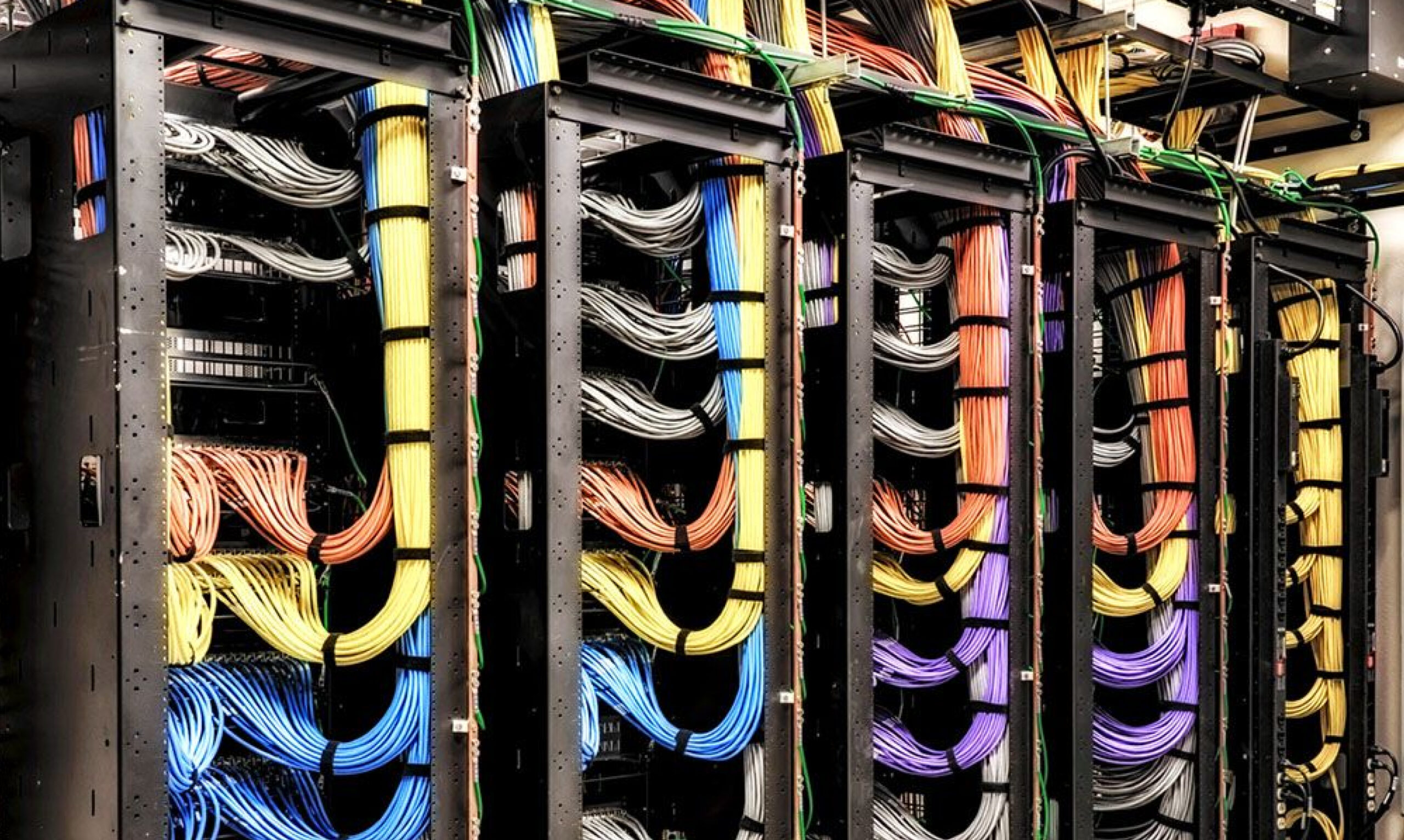
Network infrastructure is one of those things most businesses rarely think about — at least until something stops working. Yet behind nearly every modern office operation sits the same unseen foundation: the cabling that connects servers, computers, wireless access points, and security systems.
In Dubai’s commercial environment, where businesses rely heavily on cloud services, VoIP communication, surveillance systems, and smart building technologies, the infrastructure becomes even more important. This is why structured cabling installation is treated as a long-term investment rather than just another IT expense.
During network planning, one question appears repeatedly: should the project use CAT6 or CAT6A cabling?
On the surface, CAT6 and CAT6A cables appear very similar. But when deployed across large office floors, multi-tenant buildings, or high-traffic networks, their differences can start to matter in ways that aren’t always obvious during the planning stage.
What Structured Cabling Actually Does in an Office Network
Before comparing the cable types themselves, it helps to understand what a structured cabling installation is meant to achieve.
Rather than running individual cables randomly between devices, structured cabling organises the entire network into a consistent infrastructure. Patch panels, network racks, and standardised cable routes allow different systems to share the same backbone.
In a typical commercial office, that infrastructure may support:
- employee workstations and internal networks
- VoIP telephone systems
- wireless access points
- IP-based CCTV surveillance
- building automation and IoT devices
When installed correctly, structured cabling can remain in place for many years while the devices connected to it evolve. That longevity is exactly why the cable specification matters so much.
Looking at CAT6 and CAT6A in Practical Terms
Technically speaking, CAT6 and CAT6A belong to the same generation of Ethernet cabling. The distinction is mainly about performance limits and future capacity.
CAT6 can support 10-gigabit speeds, but only for relatively short distances — typically around 55 metres. For small office spaces where the network rack sits close to the workstations, this limitation rarely causes problems.
CAT6A, which stands for Category 6 Augmented, extends that capability significantly. It can sustain 10-gigabit speeds across the full 100-metre channel length, which is the standard maximum run in structured cabling systems.
That difference may sound minor, but it becomes relevant in larger commercial environments. Multi-floor buildings, wide open office layouts, and long cable routes between network rooms can easily exceed the shorter distance for which CAT6 performs best.
Bandwidth and Data Demand
Bandwidth is another point where CAT6A provides more headroom.
CAT6 operates at 250 MHz, while CAT6A supports 500 MHz. In simple terms, that higher bandwidth allows the cable to handle more data at once.
In everyday office use the difference might not be obvious. But as businesses introduce more bandwidth-heavy applications — high-definition video conferencing, real-time data analytics, or large file transfers — the extra capacity helps prevent the network infrastructure from becoming a bottleneck.
For companies planning network infrastructure expected to last a decade or more, that additional margin can be valuable.
Why Dubai’s Environment Changes the Equation
When discussing network infrastructure in the UAE, environmental conditions inevitably enter the conversation.
Dubai’s climate means that cables installed in ceilings, equipment rooms, or risers often operate in warmer environments than typical office spaces. Higher temperatures increase signal attenuation, gradually weakening the electrical signals travelling through the cable.
CAT6A cables usually incorporate thicker conductors and better shielding, which helps dissipate heat more effectively. This makes them more resilient in installations where large numbers of cables run together or where equipment rooms generate significant heat.
Another factor is Power over Ethernet, commonly known as PoE. Many modern devices receive both power and data through the same network cable.
Examples include:
- security cameras
- wireless access points
- access control systems
- smart lighting controllers
As these devices draw more power, the cable itself can warm up during operation. CAT6A cables generally tolerate this heat better, particularly when higher-power PoE standards are involved.
The Cost Question Businesses Always Ask
One of the most common arguments in favour of CAT6 is cost.
Material prices for CAT6 cables are typically 20–40 percent lower than CAT6A. On paper that difference can appear significant when calculating the cost of a full office fit-out.
However, cabling materials represent only part of the overall investment. In most commercial projects across the UAE, installation labour accounts for the majority of the project cost.
Replacing a network infrastructure later can be far more expensive than installing higher-capacity cabling during the initial build. For organisations planning long-term office spaces, the slightly higher upfront cost of CAT6A often becomes easier to justify.
Situations Where CAT6 Still Works Well
Despite the advantages of CAT6A, CAT6 remains widely used and far from outdated.
In smaller offices with shorter cable runs, CAT6 typically provides more than enough performance for:
- desktop computers
- printers and local network devices
- VoIP desk phones
- basic office networking
For these types of connections, the performance difference between the two cables may not be noticeable.
The Hybrid Strategy Many Offices Use
Because both cable types have advantages, many structured cabling projects adopt a hybrid approach.
Under this strategy:
- CAT6A is used for backbone connections, wireless access points, and server rooms
- CAT6 is used for workstation connections
This allows businesses to maintain high performance where it matters most while keeping overall project costs under control.
For many Dubai offices, this balanced approach offers a practical compromise between performance and budget.
Why the Installation Team Matters
Selecting the right cable category is important, but the quality of the structured cabling installation itself often has an even greater impact on network reliability.
Poor termination, improper cable routing, or insufficient separation between cables can degrade performance regardless of the cable type used. Professional installers follow industry standards to ensure cables are routed correctly, labelled properly, and tested after installation.
A well-installed structured cabling system becomes easier to maintain, expand, and troubleshoot as the business grows.
Final Thoughts
Choosing between CAT6 and CAT6A is less about which cable is “better” and more about matching infrastructure to business needs.
For smaller environments with modest network demands, CAT6 remains a dependable and cost-effective choice. For larger commercial buildings, technology-driven workplaces, and networks expected to support future upgrades, CAT6A provides greater capacity and long-term flexibility.
In a fast-moving business environment like Dubai, investing in a carefully planned structured cabling installation today can prevent costly infrastructure limitations tomorrow.