

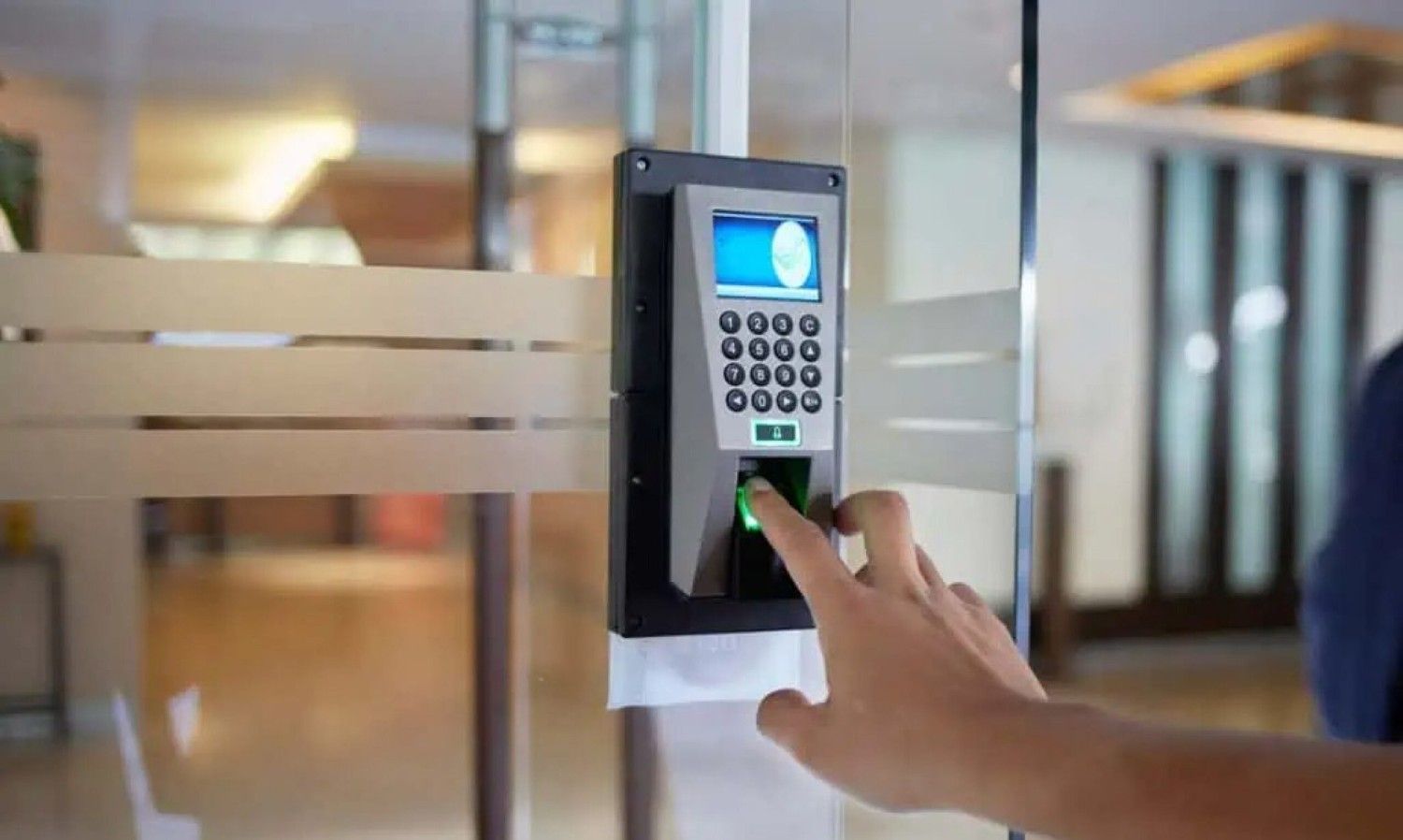
Security across Dubai is no longer handled through simple locks or standalone systems. In most buildings today, access is managed in a more structured way, where movement is controlled, recorded, and, when required, restricted. A door access control system plays a central role in this setup, helping manage entry points without interrupting how a space functions day to day.
This shift is visible across different environments. Smaller offices may only need a single controlled entry, while larger facilities operate with multiple access points connected through a unified system. In both cases, access control has gradually become part of the basic infrastructure rather than an added feature.
Why Door Access Control Systems Are Essential in Dubai
Dubai operates within a system where organisation, safety, and compliance are closely linked. In such an environment, access cannot remain unmonitored. A door access control system provides a way to regulate movement while keeping a clear record of who enters and exits a space.
In many industries, this is not simply a preference. It is expected as part of operational standards.
Key Benefits:
- Entry points remain controlled instead of open or loosely managed
- Movement within the premises can be tracked when required
- The likelihood of unauthorised access is reduced
- Systems can work alongside CCTV and alarms without conflict
- Managing staff and visitors becomes more structured
Alongside security, there is also a noticeable reduction in manual processes, especially in environments where entry records were previously handled in a less organised way.
Understanding SIRA Compliance in Dubai
Any discussion around installing a door access control system in Dubai needs to consider SIRA regulations. The Security Industry Regulatory Agency sets the framework that many commercial setups must follow.
What You Need to Know:
- Businesses in several sectors are required to use SIRA-approved systems
- CCTV connected to access control must meet defined resolution standards
- Recorded footage must be stored for a fixed duration based on the business category
- In certain cases, systems are linked to centralised monitoring platforms such as VideoGuard
These requirements influence not only the type of system selected but also how it is installed and maintained over time.
Types of Door Access Control Solutions
There is no single solution that fits every environment. The choice of a door access control system usually depends on how the space is used and the level of control required.
1. Biometric Access Control
- Relies on fingerprint, facial recognition, or similar identifiers
- Common in areas where higher levels of security are needed
2. RFID/Card-Based Systems
- Uses cards or key fobs for access
- Suitable for offices and shared facilities with multiple users
3. Mobile-Based Access
- Allows entry through smartphones using wireless technologies
- Becoming more visible in newer workspaces
4. Keypad/PIN Systems
- Access is granted through PIN codes
- Often used in residential or low-restriction areas
These systems are often combined or expanded as requirements change over time.
Installation Process: Step-by-Step
Setting up a door access control system involves a sequence of steps rather than a single installation task. Each stage contributes to how reliably the system performs later.
1. Site Survey
The layout is examined to identify entry points, wiring paths, and potential weak spots.
2. System Design
Devices and components are selected based on the environment and level of control required.
3. Installation & Wiring
Hardware is installed and connected to power and network systems.
4. Testing & Configuration
Access permissions are defined, and the system is checked under working conditions.
5. Training & Handover
Users are shown how to operate the system in a practical way.
Cost of Installation in Dubai
Costs for a door access control system can vary depending on the scale of the setup and the type of technology used.
- Single Door Setup: AED 900 – AED 2,000
- 4-Door Biometric System: AED 2,000 – AED 4,000
- Integrated Access + Attendance: AED 2,500 – AED 6,000
- Smart Lock Installation: Starting from AED 350
While the numbers differ across projects, the long-term value often comes from reliability and reduced operational issues rather than just the initial cost.
Beyond Security: A Smart Business Tool
Access control systems are increasingly connected to other operational systems. Instead of working in isolation, they are part of a broader setup.
Smart Integrations:
- HR and payroll systems can use access data for attendance tracking
- CCTV systems can provide visual context to access events
- Building systems can adjust lighting or cooling based on occupancy
This allows the system to respond to actual usage patterns rather than fixed schedules.
Cloud vs On-Premise Systems
The decision between cloud-based and on-premise systems often comes down to how the system is expected to be managed.
On-premise systems operate within the physical location and do not depend on internet connectivity. This can offer stability, but it also requires higher upfront investment and regular maintenance.
Cloud-based systems allow access through applications, making remote management possible. They usually follow a subscription model and can be expanded more easily when requirements increase. Updates are handled automatically, which reduces ongoing maintenance effort.
In Dubai, there is a noticeable shift toward cloud-based setups, mainly due to flexibility and ease of scaling.
2026 Trends Shaping Access Control in Dubai
Access control in Dubai is gradually moving toward systems that are more connected and responsive. Instead of simply recording activity, newer systems are designed to interpret and react to it.
Key Trends:
- Reduced dependence on physical cards as mobile access becomes more common
- Use of multiple biometric inputs instead of a single identifier
- Systems that recognise unusual patterns rather than just log events
- Early response mechanisms based on predictive analysis
This reflects a broader shift in how a door access control system is used, moving from basic control toward a more adaptive role within the environment.
Installation Challenges in UAE Conditions
Environmental conditions in the UAE can affect how systems perform if they are not planned properly.
Key Considerations:
- Equipment must handle heat and dust, especially in outdoor areas
- Devices should have appropriate protection ratings for durability
- Backup power systems are necessary to maintain operation during outages
- Hardware needs to withstand long-term exposure to harsh conditions
Ignoring these aspects can lead to performance issues over time.
Choosing the Right Installation Partner in Dubai
The outcome of a door access control system depends not just on the equipment but also on how it is installed and supported.
What to Look For:
- Approval under SIRA regulations
- Experience with similar installations
- Consistent after-sales support
- Ability to adjust solutions based on requirements
- Strong understanding of system integration
A system that is installed correctly is more likely to remain stable and compliant in the long run.
Conclusion
A door access control system has become part of how modern spaces are structured and managed. It supports security, but also contributes to organisation and operational clarity.
In Dubai, where standards continue to evolve, systems that offer both control and adaptability are becoming increasingly relevant. Whether applied in smaller setups or across larger facilities, a well-planned solution provides consistent performance over time.